Why Does My Anxiety Get Worse at Night? 7 Reasons and What Helps
You make it through the entire day feeling relatively fine.
You handle work, respond to messages, take care of responsibilities, and barely have time to think about how you're feeling.
Then bedtime arrives.
The room gets quiet. Your phone is finally down. There's nothing left to do.
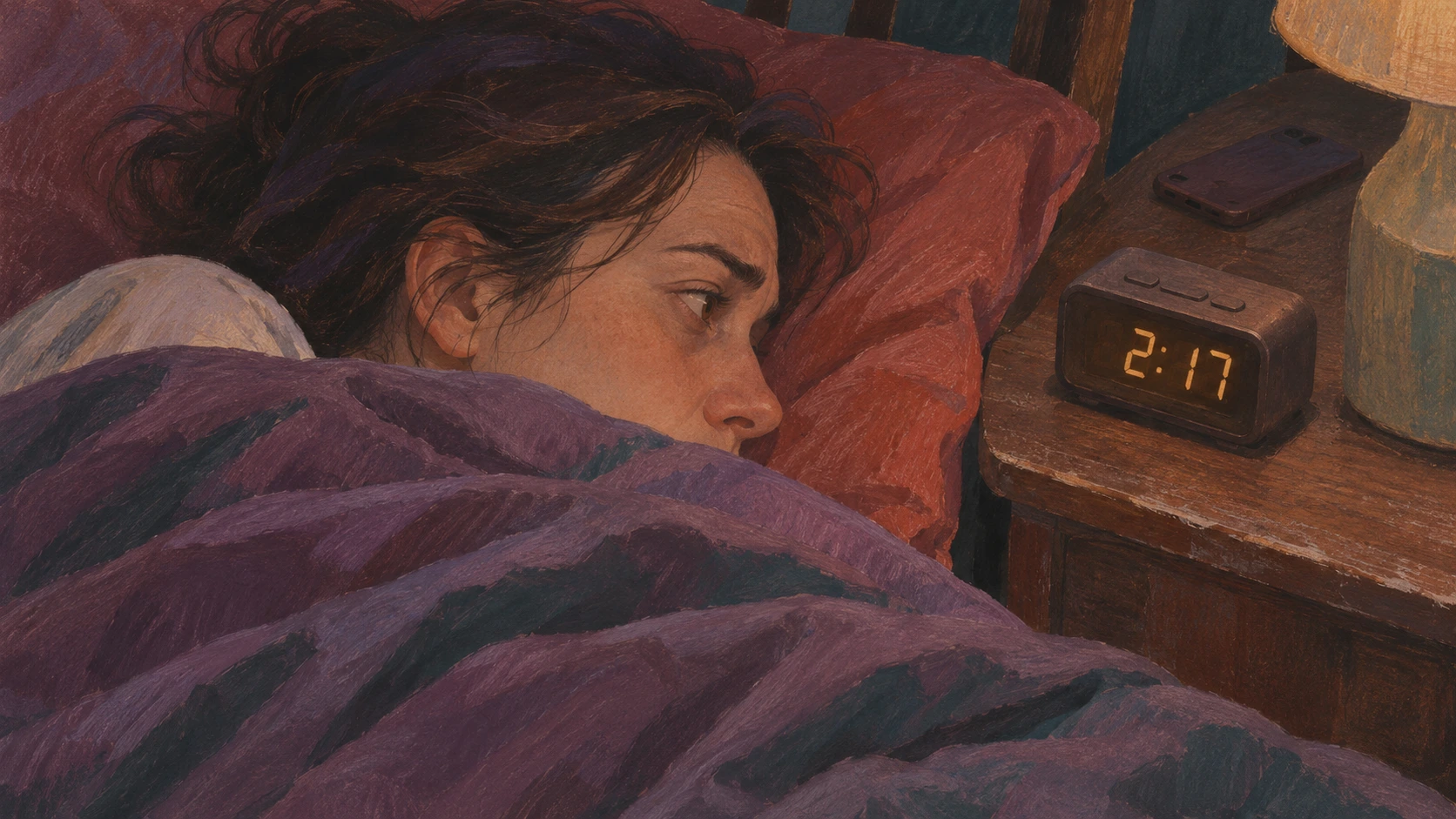
And suddenly, your mind won't stop.
You replay conversations. Think about everything that could go wrong tomorrow. Notice your heartbeat. Worry about whether you'll get enough sleep.
The harder you try to relax, the more anxious you feel.
Why does my anxiety get worse at night when I seemed fine all day?
Anxiety often feels worse at night because daytime distractions disappear, worries become more noticeable, and stress-related physical arousal can make it difficult to relax or fall asleep. Sleep difficulties, medications, stimulants, and underlying anxiety disorders may also contribute.
For some people, nighttime anxiety is occasional. For others, it becomes a recurring cycle of worry, sleeplessness, and exhaustion.
The good news is that understanding what contributes to nighttime anxiety can help you identify practical next steps and determine when professional support may be useful.
Why Does Anxiety Feel Worse at Night?
During the day, your attention is divided among conversations, work, errands, and other responsibilities.
At night, those distractions often disappear.
Without competing demands on your attention, worries that were easier to set aside may become more noticeable.
Your body may also remain physically alert after a stressful day, even when you feel mentally exhausted.
Nighttime anxiety can involve:
· Racing thoughts or excessive worrying.
· Replaying conversations or past events.
· Fear about upcoming responsibilities.
· Restlessness or difficulty relaxing.
· Muscle tension.
· A racing or pounding heartbeat.
· Sweating, trembling, or stomach discomfort.
· Difficulty falling asleep or returning to sleep.
Nighttime anxiety is a description of when anxiety occurs, not a separate medical diagnosis.
Its causes can range from everyday stress and poor sleep to medication effects, anxiety disorders, or other health conditions.
Understanding the pattern matters more than assuming there is one explanation for everyone.
7 Reasons Your Anxiety May Get Worse at Night
1. Your Brain Finally Has Time to Focus on Worries
One reason anxiety becomes more noticeable at night is that your mind has fewer distractions.
During the day, you may be occupied with work, family, conversations, or other responsibilities.
When those activities stop, unresolved concerns can move into the foreground.
You might begin thinking about:
· Something embarrassing you said earlier.
· A difficult conversation.
· Financial responsibilities.
· Work deadlines.
· Family or relationship concerns.
· Health-related fears.
· Everything you need to accomplish tomorrow.
Sometimes this becomes rumination: repeatedly thinking about distressing experiences without moving toward a useful solution.
Other times, it involves future-oriented worry about events that haven't happened.
Both can make bedtime feel mentally exhausting.
What may help: Set aside a short period earlier in the evening to write down your concerns and identify any practical next steps. You don't need to solve every problem before going to sleep.
2. Your Body Is Still Responding to Stress
Your day may be over, but your body's stress response doesn't always switch off immediately.
Stress can activate physiological processes that increase alertness, muscle tension, and readiness to respond to perceived threats.
After a demanding day, you may notice:
· Tight shoulders or jaw muscles.
· Shallow or faster breathing.
· Restlessness.
· A tense stomach.
· Difficulty sitting still.
· Feeling unusually alert despite exhaustion.
Some people describe this experience as feeling tired but wired.
You're physically exhausted, but your body doesn't feel ready for sleep.
Stress-related arousal can interfere with the transition into rest, particularly when it becomes a recurring pattern.
What may help: Create a consistent transition between daytime activities and bedtime. Gentle stretching, a warm shower, or quiet reading may help some people unwind.
3. You're Becoming Anxious About Falling Asleep
Sometimes the biggest source of nighttime anxiety is sleep itself.
You may start worrying:
What if I can't fall asleep tonight?
What if I'm exhausted tomorrow?
Why does everyone else seem able to sleep normally?
These thoughts can increase frustration and alertness.
You may check the clock repeatedly, calculate how many hours remain before morning, or try harder to force yourself to sleep.
Unfortunately, increased pressure to sleep can make falling asleep more difficult.
This creates a cycle:
Difficulty sleeping → worry about sleep → increased alertness → more difficulty sleeping.
Over time, bedtime itself may become associated with frustration or anxiety.
This pattern can occur with insomnia.
What may help: If difficulty sleeping becomes persistent, cognitive behavioral therapy for insomnia (CBT-I) is an evidence-based first-line treatment for chronic insomnia. It addresses the thoughts and behaviors that can maintain sleep difficulties.
4. Caffeine, Alcohol, Nicotine, or Medication May Be Contributing
What you consume during the day can sometimes affect how you feel at night.
Caffeine
Coffee, energy drinks, pre-workout supplements, and certain teas contain caffeine.
Caffeine can increase alertness and contribute to restlessness or difficulty sleeping, particularly in sensitive individuals or when consumed later in the day.
Nicotine
Nicotine is a stimulant and can interfere with sleep.
Alcohol
Alcohol may initially cause drowsiness, but it can disrupt sleep later in the night. Anxiety symptoms may also become more noticeable as its effects wear off.
Medications
Some medications, including certain stimulants, decongestants, corticosteroids, and antidepressants, can contribute to restlessness or sleep difficulties in some people.
The effects depend on the medication, dose, timing, and individual response.
What may help: Pay attention to whether symptoms began after changes in caffeine intake, substance use, or medications.
Do not stop or change prescribed medications without speaking with your clinician.
5. You're More Aware of Physical Sensations at Night
When you're lying quietly in bed, you may notice physical sensations that receive less attention during the day.
For example, you might become aware of:
· Your heartbeat.
· Your breathing.
· Muscle tension.
· Stomach discomfort.
· Warmth or sweating.
· Small changes in how your body feels.
For someone experiencing anxiety, noticing a sensation may trigger additional worry.
You feel your heart beating.
You wonder whether something is wrong.
That concern increases anxiety.
Your heartbeat may become faster or feel more noticeable, creating further worry.
This can become a cycle of heightened attention to physical sensations.
However, physical symptoms should not automatically be attributed to anxiety.
Heart rhythm disturbances, respiratory conditions, sleep apnea, reflux, medication effects, and other medical problems can sometimes produce similar symptoms.
What may help: If physical symptoms are new, recurrent, worsening, or unexplained, seek appropriate medical evaluation rather than assuming anxiety is the cause.
6. An Anxiety or Trauma-Related Disorder May Be Affecting Your Sleep
Occasional nighttime worry is common.
But persistent anxiety that interferes with sleep and everyday functioning may be associated with a mental health condition.
Examples include:
Generalized Anxiety Disorder (GAD)
GAD involves excessive, difficult-to-control worry about multiple areas of life. Symptoms can include restlessness, muscle tension, irritability, difficulty concentrating, and sleep disturbance.
Panic Disorder
Panic disorder involves recurrent unexpected panic attacks and persistent concern about future attacks or related behavioral changes.
Some people experience panic attacks during sleep.
Social Anxiety Disorder
People with social anxiety may repeatedly review social interactions or worry about upcoming situations, particularly during quiet periods.
Post-Traumatic Stress Disorder (PTSD)
PTSD may involve hypervigilance, nightmares, distressing memories, and disrupted sleep. PTSD is classified as a trauma- and stressor-related disorder, not an anxiety disorder.
Nighttime anxiety alone does not establish any of these diagnoses.
A qualified clinician can assess symptom patterns, duration, severity, and possible medical or psychiatric contributors.
What may help: Consider an evaluation if nighttime anxiety repeatedly disrupts sleep, affects daytime functioning, or occurs alongside significant anxiety symptoms during the day.
7. Poor Sleep Is Making Anxiety Harder to Manage
Anxiety and sleep problems can reinforce each other.
Anxiety may interfere with falling asleep or staying asleep.
Poor sleep, in turn, may make it harder to manage emotions and respond to stress the next day.
You may notice:
· Increased irritability.
· Greater sensitivity to everyday stress.
· Difficulty concentrating.
· Feeling overwhelmed more easily.
· Persistent fatigue.
· More frequent worrying.
This can become a repeating cycle in which anxiety disrupts sleep and poor sleep contributes to further anxiety.
What may help: Address both anxiety and sleep difficulties rather than assuming one is always the only cause.
Nighttime Anxiety vs. Nocturnal Panic Attacks
Not every episode of nighttime anxiety is a panic attack.
Although the symptoms can overlap, the experiences often differ.
|
Feature |
Nighttime Anxiety |
Nocturnal Panic Attack |
|
Onset |
Often develops gradually |
Sudden episode that awakens someone from sleep |
|
Main experience |
Worry, tension, rumination, or difficulty relaxing |
Intense fear or discomfort with prominent physical symptoms |
|
Physical symptoms |
May include restlessness, muscle tension, or faster heartbeat |
May include palpitations, sweating, trembling, chest discomfort, or shortness of breath |
|
Duration |
May fluctuate or persist for an extended period |
Typically reaches peak intensity within minutes |
|
Relationship to sleep |
Often occurs before sleep or during nighttime awakenings |
Can occur during sleep and cause abrupt awakening |
These distinctions are general patterns, not diagnostic criteria.
What Is a Nocturnal Panic Attack?
A nocturnal panic attack is a panic attack that occurs during sleep and causes someone to awaken suddenly with intense fear or discomfort.
Symptoms may include:
· A racing or pounding heartbeat.
· Sweating or trembling.
· Shortness of breath.
· Chest discomfort.
· Dizziness.
· Fear of losing control.
· A feeling that something terrible is happening.
Not every sudden nighttime awakening with a racing heart is a panic attack.
Sleep apnea, heart rhythm abnormalities, nightmares, reflux, and other conditions may produce overlapping symptoms.
Seek emergency medical care for severe chest pain, significant breathing difficulty, fainting, or other potentially life-threatening symptoms.
Why Does Anxiety Get Worse When You're Trying to Sleep?
Sleep involves a transition away from active attention and toward rest.
Anxiety can interfere with that transition by keeping your attention focused on worries, uncomfortable sensations, or perceived threats.
For some people, the effort to fall asleep becomes another source of stress.
You may repeatedly check the time or worry about the consequences of poor sleep.
The more pressure you place on yourself to fall asleep immediately, the more frustrated or alert you may become.
This is one reason sleep-focused behavioral treatment can be helpful when insomnia becomes persistent.
How to Calm Anxiety at Night: 7 Strategies That May Help
If anxiety regularly appears at bedtime, several strategies may help reduce distress and support healthier sleep patterns.
These approaches are not guaranteed to eliminate anxiety, and they do not replace professional treatment when symptoms are persistent or severe.
1. Create a Predictable Wind-Down Routine
Try giving yourself approximately 30–60 minutes between demanding activities and bedtime.
Choose calming activities such as reading, gentle stretching, or listening to relaxing audio.
Consistency may help create a more predictable transition toward sleep.
2. Schedule Worry Time Earlier in the Evening
Instead of trying to resolve every concern while lying in bed, set aside a brief period earlier in the evening.
Write down your worries and identify which ones have realistic next steps.
For concerns you cannot resolve immediately, acknowledge them without requiring yourself to find an answer that night.
3. Try Gentle Breathing or Grounding
Some people find slow, comfortable breathing helpful when physically tense.
You can also try grounding by noticing the sensations of your feet against the floor or identifying objects around you.
Avoid forcing your breathing or continuing an exercise that increases discomfort.
4. Reduce Evening Stimulation
Consider whether caffeine, nicotine, stressful activities, or stimulating media are affecting your evenings.
Individual sensitivity varies, so pay attention to your own patterns.
If medication timing seems relevant, discuss it with your prescriber before making changes.
5. Maintain a Consistent Wake-Up Time
A reasonably consistent wake-up schedule can support sleep regulation.
A dark, quiet, comfortable sleeping environment may also help.
However, sleep hygiene alone is not a complete treatment for chronic insomnia.
6. Stop Trying to Solve Every Thought at Bedtime
Anxiety can create a strong urge to analyze worries until you feel certain everything will be okay.
Repeated reassurance-seeking or mental problem-solving may sometimes prolong worry.
Try acknowledging a thought without treating it as an immediate problem requiring action.
For example:
I'm noticing a worry about tomorrow. I can revisit it when I'm better able to address it.
7. Seek Professional Support if Symptoms Persist
If nighttime anxiety repeatedly disrupts sleep or affects daily functioning, consider professional evaluation.
Evidence-based treatment may include cognitive behavioral therapy, medication when appropriate, sleep-focused treatment, or a combination of approaches.
When Should You See a Healthcare Professional for Nighttime Anxiety?
Consider scheduling an evaluation if:
· Anxiety regularly prevents you from sleeping.
· You experience recurring panic-like episodes.
· Worry feels difficult to control.
· You avoid bedtime because you're afraid of becoming anxious.
· Sleep difficulties affect work, relationships, or daily responsibilities.
· Symptoms began or worsened after a medication change.
· Your usual coping strategies no longer provide enough relief.
A clinician may review anxiety symptoms, sleep patterns, medications, substance use, medical history, and possible contributing conditions.
You do not need to wait until anxiety becomes overwhelming before asking for help.
Can Medication Help With Anxiety That Gets Worse at Night?
Medication can be helpful for some people with clinically significant anxiety disorders, but nighttime anxiety does not automatically mean medication is necessary.
The appropriate approach depends on the diagnosis, symptom severity, medical history, and individual preferences.
Antidepressants Used for Anxiety
Certain selective serotonin reuptake inhibitors (SSRIs) and serotonin-norepinephrine reuptake inhibitors (SNRIs) are evidence-based medication options for several anxiety disorders.
These medications typically require consistent use and may take several weeks to provide their full benefit.
Other Medication Options
Other medications may be considered in specific circumstances.
However, their effectiveness, risks, and suitability vary.
Some sedating medications can cause dependence, next-day impairment, or other adverse effects, making careful prescribing important.
Psychotherapy and Sleep-Focused Treatment
Cognitive behavioral therapy (CBT) is an evidence-based treatment for several anxiety disorders.
For chronic insomnia, CBT-I specifically addresses the thought patterns and behaviors that maintain sleep problems.
The goal is not simply to make someone sleepy. It is to identify and treat the underlying contributors to anxiety and disrupted sleep.
Nighttime Anxiety Treatment at Luna Bloom Psychiatry
Personalized Psychiatric Evaluation and Medication Management
If anxiety is interfering with your sleep or daily life, understanding its underlying cause can help guide treatment.
At Luna Bloom Psychiatry, our psychiatric mental health nurse practitioners provide telehealth psychiatric evaluations and medication management for eligible patients.
During an appointment, your provider may review:
· When anxiety symptoms occur.
· Whether you experience panic-like episodes.
· Your sleep patterns and daytime functioning.
· Current medications and possible side effects.
· Relevant psychiatric and medical history.
· Whether additional evaluation or treatment may be appropriate.
Depending on your needs, recommendations may include medication management, coordination with other healthcare professionals, or referral for psychotherapy or sleep-focused treatment.
Luna Bloom Psychiatry offers telehealth services in states where its providers are authorized to practice. Insurance participation and appointment availability vary by state and provider.
Explore Psychiatric Care at Luna Bloom Psychiatry
Learn more about Ashley Nerusu, PMHNP-BC.
Frequently Asked Questions About Anxiety at Night
1. Why does my anxiety get worse at night?
Anxiety may feel worse at night because daytime distractions disappear, worries become more noticeable, and stress-related physical arousal can make relaxing difficult. Sleep problems, stimulants, medication effects, and anxiety disorders may also contribute.
2. Why do I feel anxious at night but fine during the day?
Daytime responsibilities can keep your attention occupied. At night, quiet surroundings may make worries or physical sensations more noticeable. Persistent nighttime symptoms can warrant professional evaluation.
3. Can anxiety cause insomnia?
Yes. Anxiety can increase mental and physical alertness, making it difficult to fall asleep or return to sleep after waking. Insomnia can also worsen anxiety.
4. How can I calm anxiety when trying to sleep?
A predictable wind-down routine, writing down worries earlier in the evening, reducing stimulating substances, and practicing comfortable relaxation techniques may help. Persistent symptoms may benefit from professional treatment.
5. Why does my heart race when I lie down at night?
Anxiety can cause a racing heartbeat, but medical conditions and medication effects can also contribute. Recurrent, new, or unexplained palpitations should be evaluated by a healthcare professional.
6. Can you have a panic attack while sleeping?
Yes. Nocturnal panic attacks can cause sudden awakenings with intense fear and physical symptoms. Other medical and sleep-related conditions can produce similar episodes, so recurrent symptoms deserve evaluation.
7. Is nighttime anxiety a symptom of generalized anxiety disorder?
It can be. Generalized anxiety disorder may involve excessive worry, restlessness, muscle tension, and sleep problems. Nighttime anxiety alone is not sufficient for diagnosis.
8. Does anxiety get worse when you're overtired?
It can. Insufficient sleep may make emotional regulation and stress management more difficult, while anxiety can also interfere with sleep.
9. Can caffeine cause anxiety hours after drinking it?
Yes. Caffeine can remain active for several hours, and individual sensitivity varies. For some people, afternoon or evening caffeine contributes to anxiety or difficulty sleeping.
10. Should I take medication for anxiety at night?
Not necessarily. Medication may be appropriate for some anxiety disorders, but treatment depends on the diagnosis, symptom severity, medical history, and personal needs. Psychotherapy or sleep-focused treatment may also be helpful.
11. Why do I wake up feeling anxious in the middle of the night?
Possible explanations include stress, panic attacks, nightmares, disrupted sleep, substance or medication effects, and medical conditions such as sleep apnea. Recurrent episodes should be evaluated.
12. When should I see a psychiatric provider for nighttime anxiety?
Consider an evaluation if nighttime anxiety repeatedly disrupts sleep, causes significant distress, affects daytime functioning, or occurs with recurring panic-like symptoms.
Final Thoughts: You Don't Have to Ignore Nighttime Anxiety
If anxiety seems to intensify when everything around you becomes quiet, there may be several contributing factors.
For some people, nighttime makes everyday worries more noticeable.
For others, stress, sleep difficulties, medications, or an underlying mental health condition may play a role.
The goal isn't simply to force yourself to stop worrying. It's to understand why anxiety is occurring and find an approach that supports both your mental health and sleep.
If nighttime anxiety is regularly affecting your well-being, consider discussing your symptoms with a qualified healthcare professional.
Medical References
1. National Institute of Mental Health (NIMH). Generalized Anxiety Disorder.
https://www.nimh.nih.gov/health/publications/generalized-anxiety-disorder
2. National Institute of Mental Health (NIMH). Panic Disorder: When Fear Overwhelms.
https://www.nimh.nih.gov/health/publications/panic-disorder-when-fear-overwhelms
3. National Institute of Mental Health (NIMH). Caring for Your Mental Health.
https://www.nimh.nih.gov/health/topics/caring-for-your-mental-health
4. Qaseem A, Kansagara D, Forciea MA, Cooke M, Denberg TD. Management of Chronic Insomnia Disorder in Adults: A Clinical Practice Guideline From the American College of Physicians. Annals of Internal Medicine. 2016;165(2):125–133.
https://doi.org/10.7326/M15-2175
5. National Heart, Lung, and Blood Institute (NHLBI). Insomnia.
https://www.nhlbi.nih.gov/health/insomnia
Medical Disclaimer: This article is for general educational purposes and does not replace individualized medical advice, diagnosis, or treatment. Never start, stop, or change prescribed medications without consulting an appropriately licensed healthcare professional. Seek emergency medical care for severe or potentially life-threatening symptoms.


